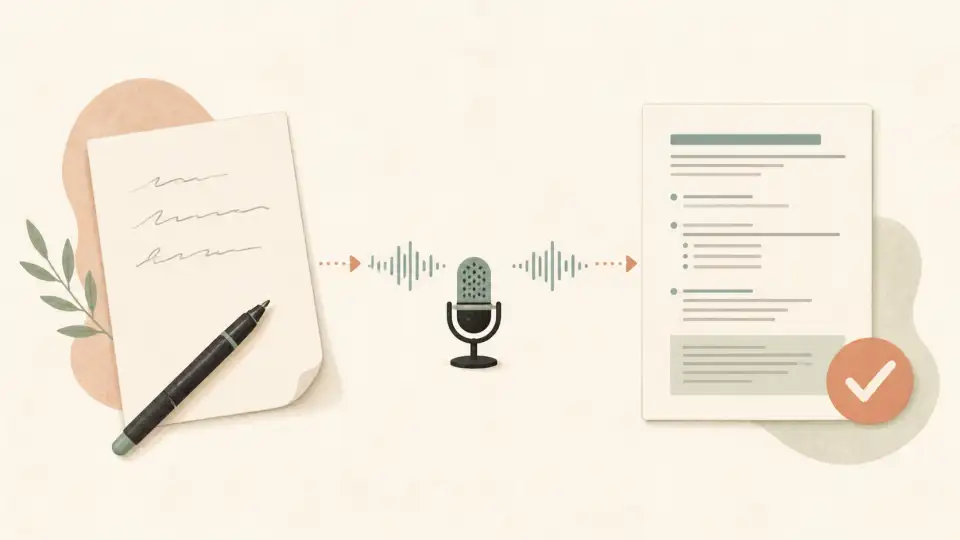
Many students across Karnataka grow up speaking flawless conversational Kannada. Yet, when tasked with writing a 1000-word formal essay (ಪ್ರಬಂಧ - Prabandha), they freeze.
Academic Kannada strictly forbids colloquial slang, demands rigid three-tier structuring, and heavily penalizes English loanwords.
This definitive guide maps out exactly how to structure, format, and grammar-check your Kannada essays to ensure maximum points. (For typing technicalities, read our Complete Guide to Kannada Writing Online).
The 3-Tier "Prabandha" Structure
No matter the topic—environmental pollution, historical biographies, or technology—a Kannada academic essay must follow this rigid sequence.
1. Introduction (ಪೀಠಿಕೆ - Peethike)
The Peethike must be a single, robust paragraph (10-15% of the total length). It serves to hook the reader and explicitly state the essay's intent. Do not start analyzing data here. Start with a foundational statement or a famous Kannada proverb (ಗಾದೆಮಾತು).
2. Body / Explanation (ವಿಷಯ ವಿವರಣೆ - Vishaya Vivarane)
This is the core of your document (70-80% of the length). It must be fractured into 3-4 distinct paragraphs.
- Historical Context: Start with the background.
- Current Situation: Analyze present-day impact.
- Arguments/Solutions: Present your thesis points logically.
3. Conclusion (ಉಪಸಂಹಾರ - Upasamhaara)
The final paragraph (10-15%). Never introduce new information in the Upasamhaara. Summarize the major arguments from the body and end with an inspirational call to action or a thought-provoking philosophical question.
Destroy Conversational Slang (Vyavaharika vs Granthika)
The most frequent feedback teachers provide is: "This reads like a WhatsApp message, not an essay."
Spoken Kannada (Vyavaharika) is highly dynamic and hybridized. Written 'book' Kannada (Granthika) is stoic and pure.
- ❌ Conversational: ಇದು ತುಂಬಾ problem ಆಗ್ತಿದೆ. (It is becoming a big problem - features English loanword).
- ✅ Formal Academic: ಇದು ಗಂಭೀರ ಸಮಸ್ಯೆಯಾಗಿ ಪರಿಣಮಿಸುತ್ತಿದೆ. (It is turning into a serious issue).
If you have a habit of inserting English words into your sentences natively, write your first draft and feed it into the Sariya AI Sentence Rewriter. It will systematically extract English loanwords and translate them into their pure Granthika Kannada equivalents.
Grammar Penalties to Avoid
A brilliantly structured Peethike is meaningless if it is littered with spelling errors. Examiners are brutal when it comes to the following:
- Missing Anusvara: The small zero (ಂ). Writing "ಬಣ್ಣ" instead of "ಬಂಡವಳ" changes fundamental meanings.
- Botched Ottakshara: Subscript consonants. Ensure you type them correctly if composing digitally.
- Punctuation Vacuum: Utilizing commas (ಅಲ್ಪವಿರಾಮ) and full stops (ಪೂರ್ಣವಿರಾಮ) controls the pacing of your essay. A run-on sentence screams amateur.
Before submitting any digital assignment, process it through an Online Kannada Grammar Checker to algorithmically capture Anusvara/Ottakshara typos you missed while editing.
Frequently Asked Questions
What are the core 3 parts of a Kannada essay?
Every formal Kannada essay (Prabandha) must contain an Introduction (பீடிகை/Peethike), the Main Body (ವಿಷಯ ವಿವರಣೆ/Vishaya Vivarane), and a Conclusion (ಉಪಸಂಹಾರ/Upasamhaara).
How do I remove English loanwords from my Kannada essay?
Spoken Kannada is full of English. When writing, replace words like 'Problem' with 'ಸಮಸ್ಯೆ' (Samasye) and 'Important' with 'ಮುಖ್ಶ' (Mukhya). Using Sariya's Kannada Sentence Rewriter can automate this vocabulary replacement.
Why do marks get deducted for spelling in Kannada exams?
Missing the 'Anusvara' (the small circle/bindu) or incorrectly mapping Ottakshara (subscript consonants) drastically changes the grammatical meaning of the sentence, immediately triggering a fail state for that paragraph.